
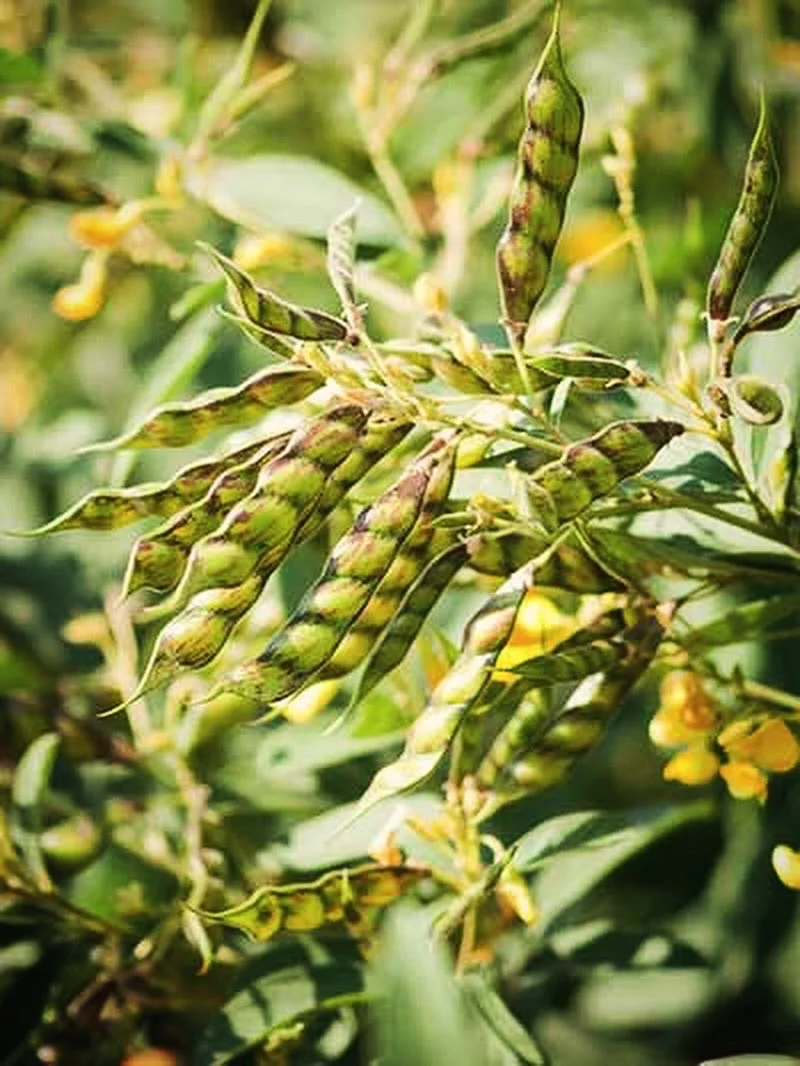
Pigeon Pea
How and why you should grow pigeon peas in your Central or South Florida yard!
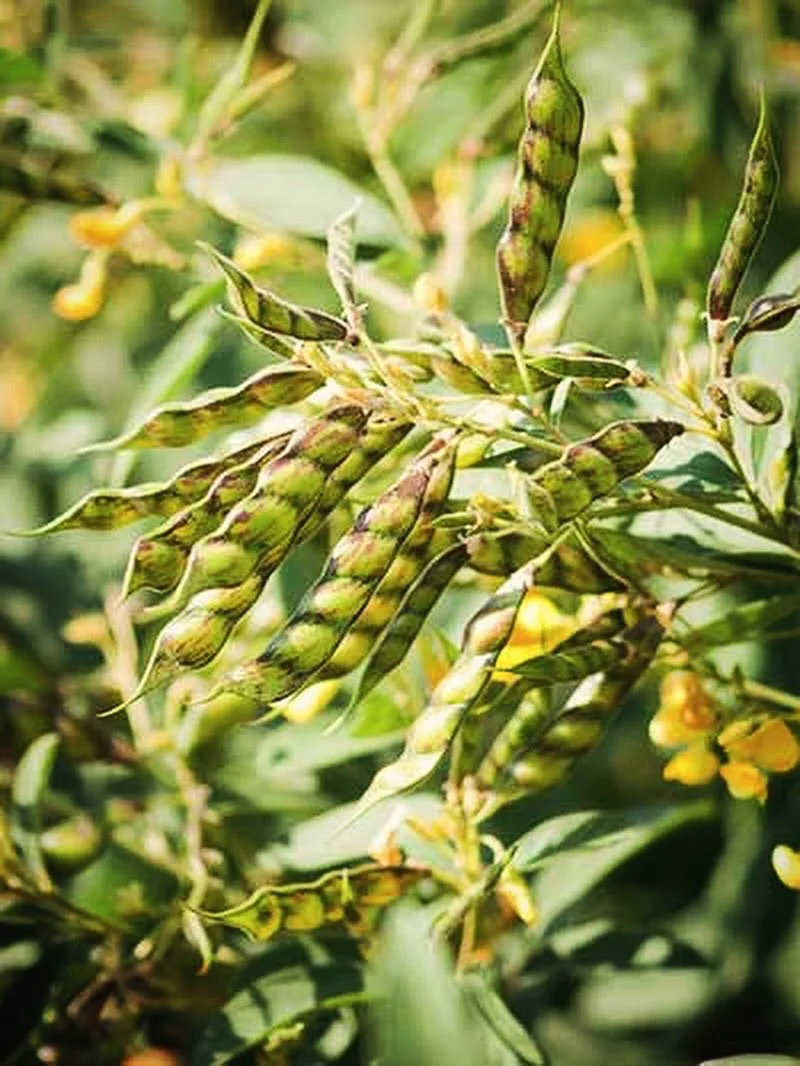
Pigeon pea pods grown in a Florida Friendly Food Forest in Longwood, FL
Pigeon Pea is a staple plant in a Central Florida edible landscape for good reason! The plant is beautiful, nitrogen-fixing, short-lived (3-5 yr) perennial shrub that produces a ton of food!
Built in fertilizer: Nitrogen fixing plants are great to get a food forest up and running because they require less inputs (like fertilizer) and help to restore the soil’s nitrogen as opposed to depleting it.
Food: The amount of food one pigeon pea produces is extraordinary! While they’re traditionally cooked with rice, they’re also commonly cooked in stews, soups or even sprouted for salads or dried and ground for a high protein flour.
Windbreak: Pigeon peas can also be grown in a hedge to provide fast growing windbreaks, that can help to protect other plants during Central and South Florida storms.
Permaculture design often changes as the landscape grows up. Pigeon peas being short lived fit great with the ever changing permaculture landscape.
Plant Care:
Pigeon peas grow best in well drained soil with lots of sun. They LOVE the heat! Once they get a few feet tall, they’re also incredibly drought tolerant. They like consistent moisture when seedling. One thing to note- that which makes it drought tolerant (long tap root) means it will not appreciate being transplanted. Plant it where you want it for ~3 years.
Harvesting:
Plump and green pods can be harvested for immediate consumption or wait until the pods are brown and dry (you can hear the peas shaking around inside the pod) for dry storage.
Propagating:
Pigeon pea is best grown from your own harvest! Save a few of the dried pods for planting in spring. Propagating from cuttings is not recommended for this plant.
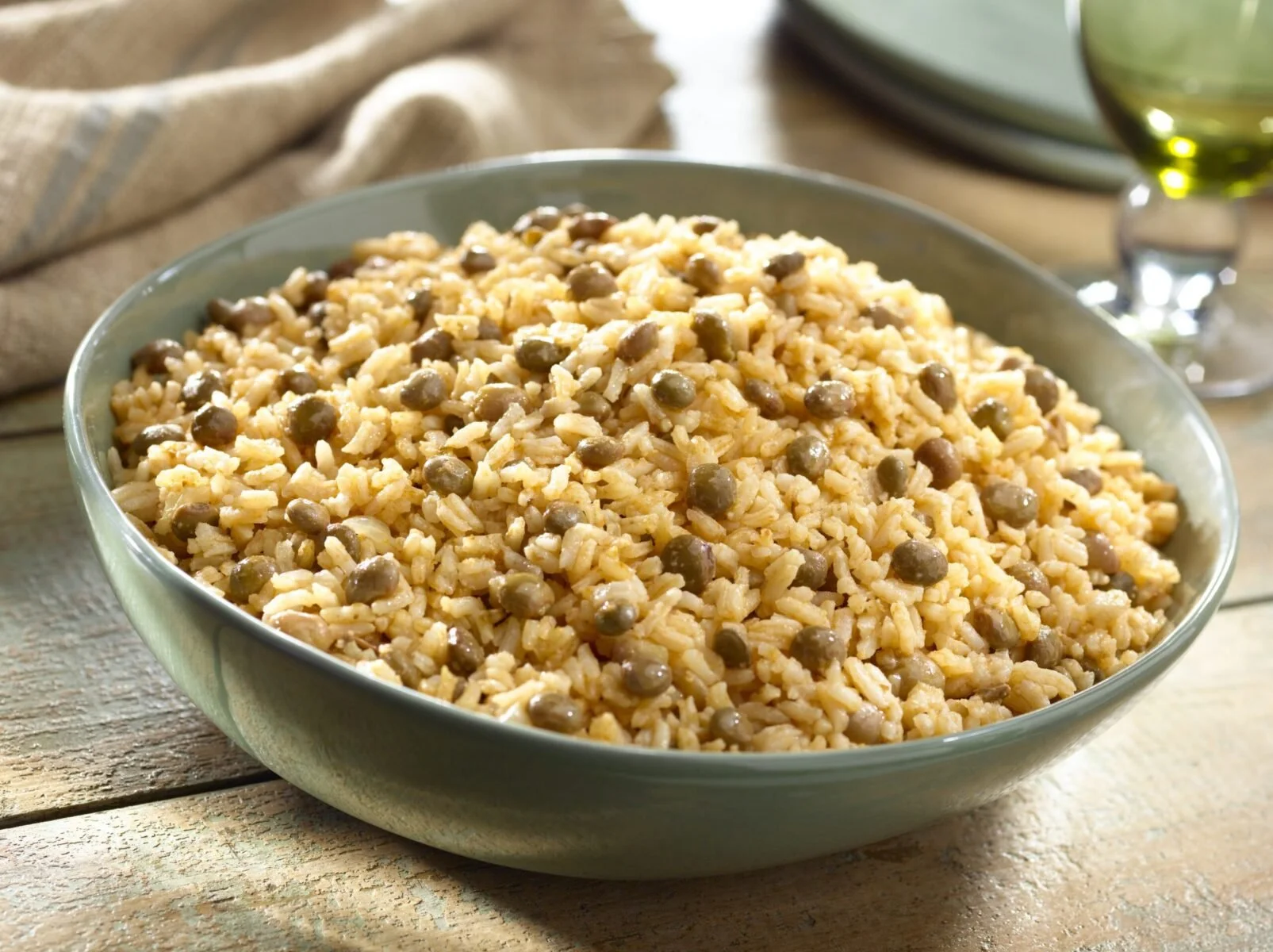
Rice and Peas
(Not our photo)
If you’re in Central or South Florida and would like to grow Pigeon Pea, you can buy a bag of pigeon peas from the store and plant those or reach out to us for free seeds! Shipping costs will be charged if shipped.
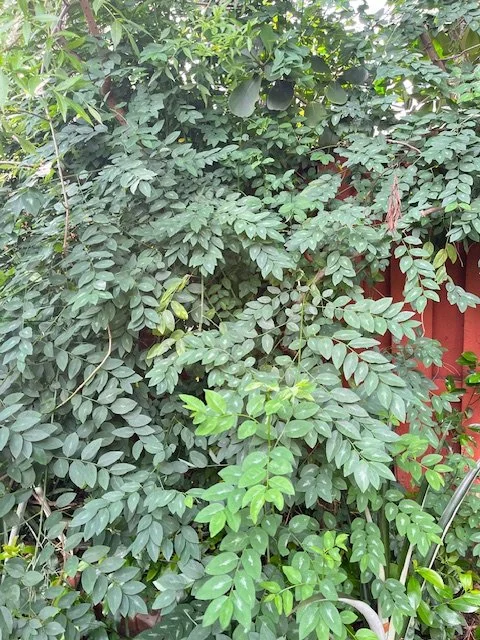
Katuk
How and why you can grow Katuk in your Central Florida yard

Katuk grown in a Florida Friendly Food Forest in Oviedo, FL
Katuk is our favorite perennial (edible) green to grow in a Central Florida Food Forest. Being vegetarian, we appreciate that its nutritional content is nearly 50% protein. It is also high in fiber, vitamins A, B and C and minerals like iron, calcium and potassium. It is sometimes also called “Sweet Leaf” and by no mistake because it is also DELICIOUS raw or cooked!
Plant Care:
Katuk grows best in a sheltered location like under a shade tree’s canopy or nestled in with other plants. Heavy mulching prevents excessive water needs and also helps to feed the soil. Katuk likes a part shade, part sun location with morning sun preferred.
Harvesting the leaves:
Harvesting Katuk is the easiest! Simply pinch one end of the stem and pull back along the stem opposite leaf growth to pull off many leaves at once. I harvest a weeks worth of Katuk using this method in a matter of a minute or two.
Propagating for new plants:
Katuk grows very easily from cuttings. Cut at least a 6 inch piece, strip the leaves and place the bottom of the cutting in a small cup of water or a pot of moist soil. Keep in a warm, humid environment and the plant will grow roots within days. You can grow a ton of food within months from ONE Katuk cutting! No wonder its our first Plant Spotlight!
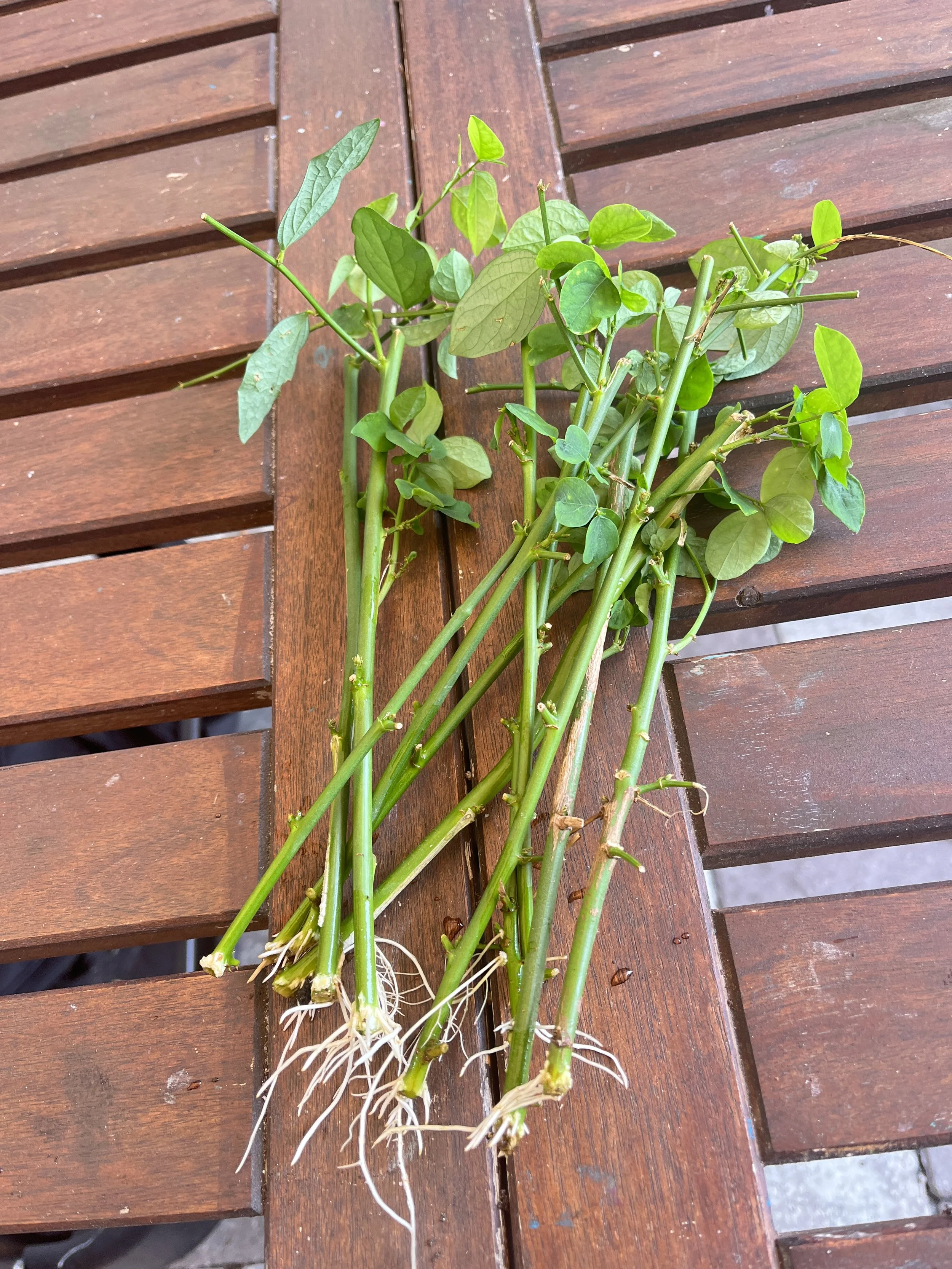
Rooted Katuk Cuttings
What about you? Have you tried Katuk before? Would you like a cutting to grow your own? Let us know!