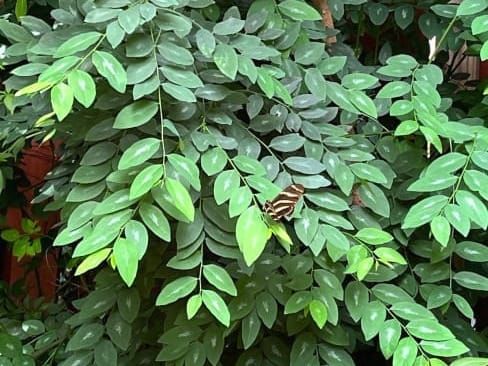
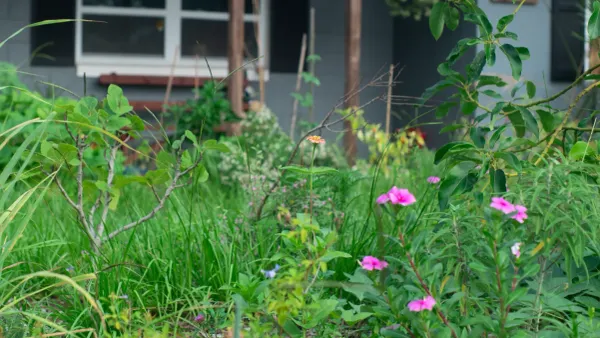
Pigeon Peas, A Full Sun Powerhouse
Built in fertilizer: Nitrogen fixing plants are great to get a food forest up and running because they require less inputs (like fertilizer) and help to restore the soil’s nitrogen as opposed to depleting it.
Food: The amount of food one pigeon pea produces is extraordinary! While they’re traditionally cooked with rice, they’re also commonly cooked in stews, soups or even sprouted for salads or dried and ground for a high protein flour.
Windbreak Pigeon peas can also be grown in a hedge to provide fast growing windbreaks, that can help to protect other plants during Central and South Florida storms.
Permaculture design often changes as the landscape grows up. Pigeon peas being short lived fit great with the ever changing permaculture landscape.
Easy to Grow and Care For
Pigeon peas grow best in well drained soil with lots of sun. They LOVE the heat! Once they get a few feet tall, they’re also incredibly drought tolerant. They like consistent moisture when seedling. One thing to note- that which makes it drought tolerant (long tap root) means it will not appreciate being transplanted. Plant it where you want it for ~3 years.
Harvest the Peas and Leaves
Pigeon Peas are a staple food in much of Latin America and can be found canned or dry in most grocery stores in Florida. Growing them yourself though is even better! The peas are edible raw or cooked, as are the leaves.
Plump and green pods can be harvested for immediate consumption or wait until the pods are brown and dry (you can hear the peas shaking around inside the pod) for dry storage.
Propagating to Grow More Pigeon Peas
Pigeon pea is best grown from your own harvest! Save a few of the dried pods for planting in spring. Propagating from cuttings is not recommended for this plant.